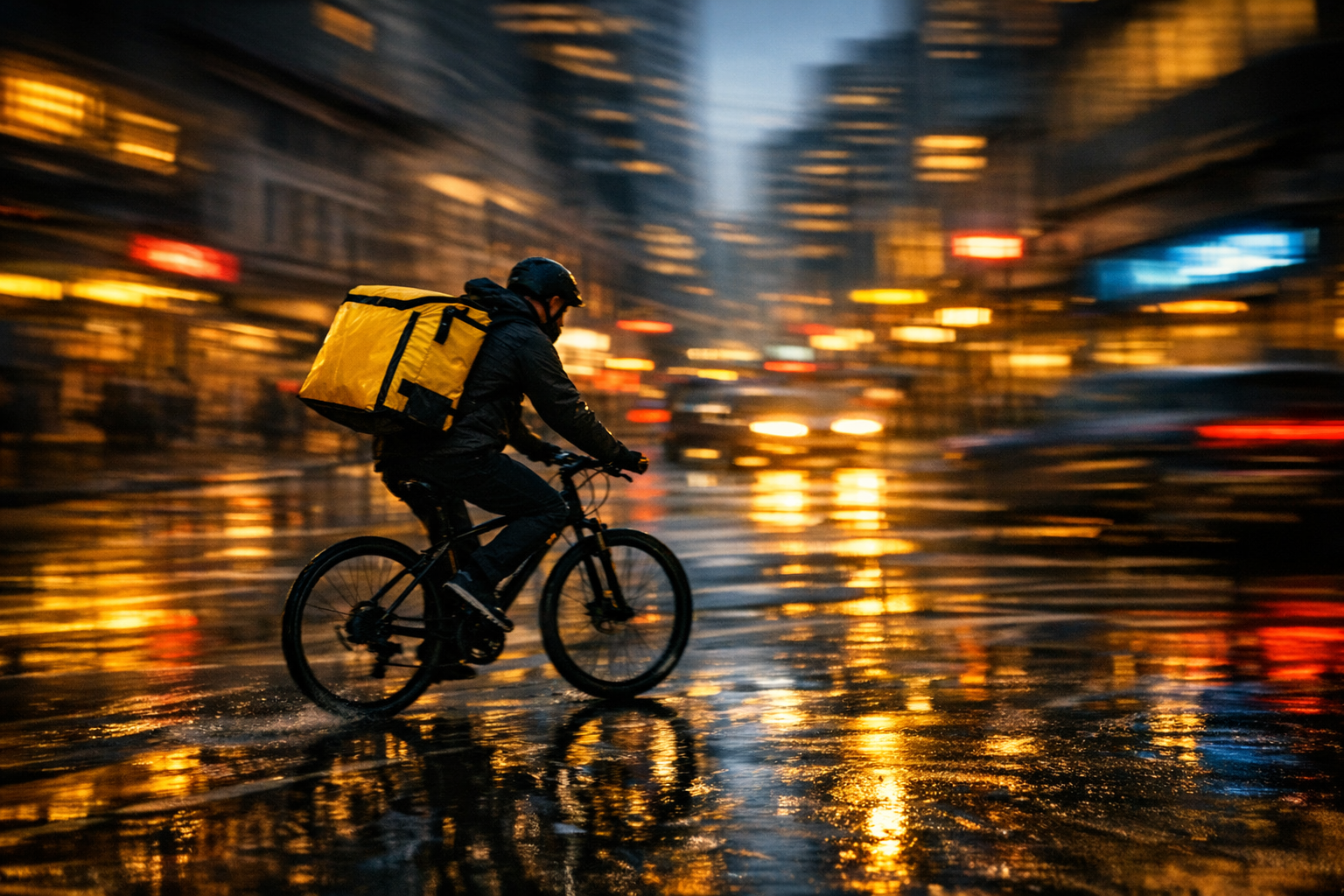
City courier delivering food by bicycle through urban streets at night
Informational Resource β€” USA

Urban Sandwich Delivery Systems

An in-depth guide to how sandwich delivery works across American cities β€” from dispatch logistics and route planning to food handling standards and timing variables.

300+
U.S. Cities Covered
45 min
Avg. Urban Delivery Window
3x
Peak-Hour Volume Increase
68%
Deliveries via Bike or Foot
ℹ️

Disclaimer: This website is an independent informational resource and is not affiliated with any food delivery service or restaurant. We do not provide ordering, delivery, or payment services of any kind.

How Does Sandwich Delivery Actually Work?

Sandwich delivery in urban environments involves a sophisticated chain of events β€” from the moment an order is prepared to its final destination on your doorstep. Understanding this chain helps clarify why delivery times and quality can vary so significantly across neighborhoods, time slots, and weather conditions.

This resource breaks down every layer of that system: the logistics infrastructure cities rely on, the food safety standards couriers follow, and the real-world factors that influence how fast your food arrives.

Learn About Urban Logistics β†’
πŸ™οΈ

City Logistics

Route planning, zone mapping, and urban infrastructure.

πŸ“¦

Packaging

Insulated materials and freshness preservation methods.

⏱️

Speed Factors

Traffic, distance, weather, and dispatch timing.

πŸ—ΊοΈ

Route Planning

GPS optimization and multi-stop urban routing.

12M+
Food Deliveries Per Day in USA
28 min
Fastest Urban Delivery Avg.
72%
Orders Placed During Lunch Hours
5Β°F
Max Temp. Drop in Insulated Bags

Explore the Full Delivery Knowledge Base

Every article on this site is written to help you understand the mechanics behind modern sandwich delivery in American urban environments.

How Urban Sandwich Delivery Works Step by Step

From the moment an order enters the system to the final handoff at the door, sandwich delivery in U.S. cities follows a structured β€” though often invisible β€” operational process.

Step 01

Order Received & Dispatched

Digital orders are routed to the nearest available courier through algorithm-based dispatch systems. Urban zones are pre-mapped to minimize assignment delay.

Step 02

Preparation & Packaging

The sandwich is assembled and packed in food-safe, insulated materials. Temperature-sensitive packaging maintains freshness through the entire transit window.

Step 03

Route Optimization

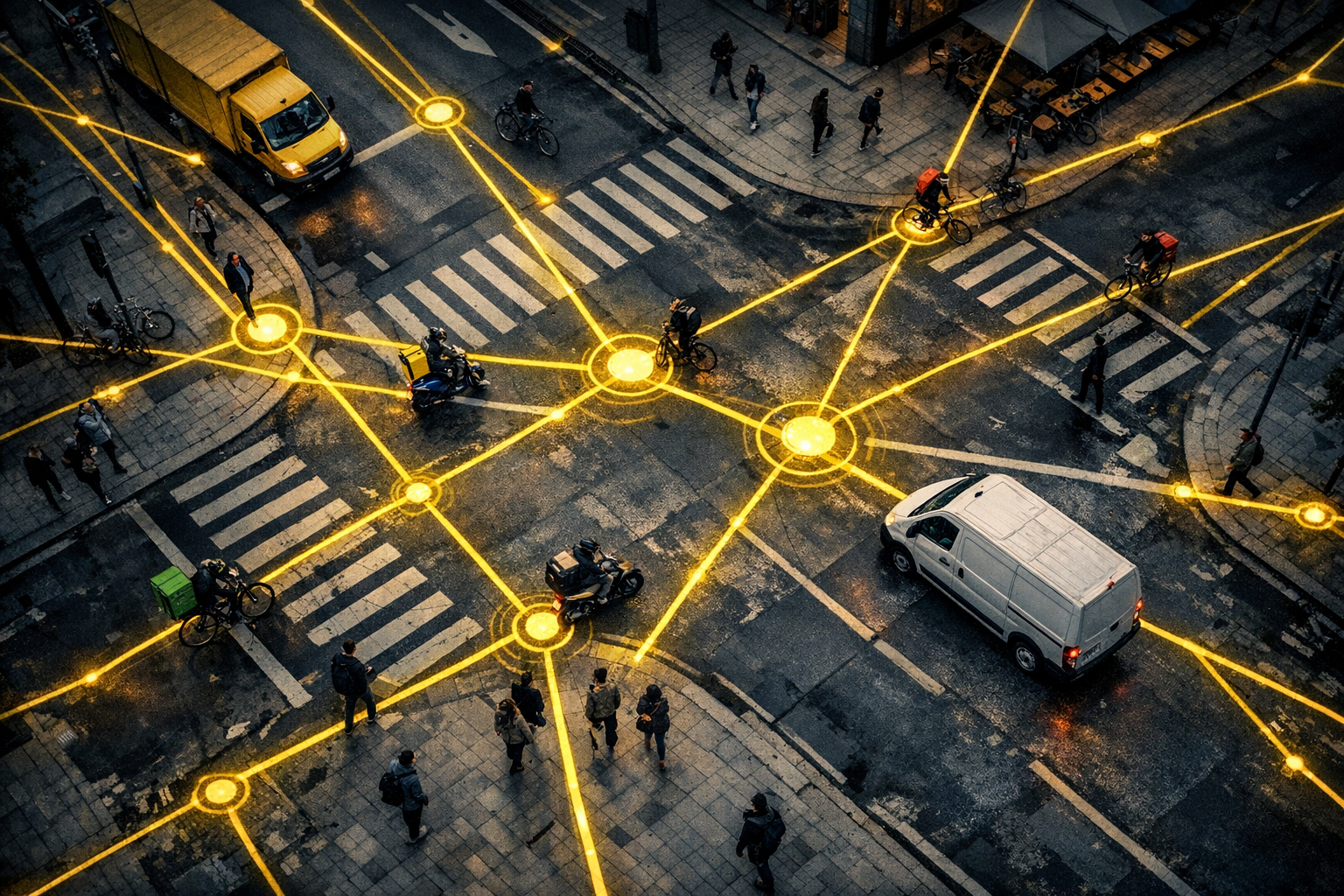
GPS routing accounts for real-time traffic, construction zones, and multi-stop efficiency. Urban environments often favor cycling and pedestrian-courier routes.

Step 04

Last-Mile Delivery

The final block of the delivery β€” navigating building lobbies, elevators, and high-density residential zones β€” is often the most time-variable segment of the journey.

Step 05

Handoff & Confirmation

Contactless or direct handoff is completed, with digital confirmation sent to the restaurant and customer. Real-time feedback loops help systems improve future routing.

Aerial view of urban delivery routes with glowing yellow path lines

Did You Know?

In high-density urban areas like Chicago, New York, and Los Angeles, bicycle couriers can outperform motor vehicles during peak lunch hours by as much as 40% β€” due to their ability to navigate congestion and use dedicated cycling infrastructure.

Frequently Asked Questions

Have questions about how sandwich delivery systems work? Find concise answers below, or visit the full FAQ page for a comprehensive breakdown.

Full FAQ Page β†’

Urban sandwich delivery relies on a network of couriers, dispatch software, and optimized routing systems. When an order is placed, it is assigned to a nearby courier who picks up the prepared sandwich and follows an algorithm-generated route to the delivery address. Variables like traffic, building access, and order volume all affect how the system performs at any given moment.

Delivery timing is influenced by a wide range of factors: distance between the restaurant and the destination, real-time traffic and road conditions, weather, time of day (peak lunch and dinner hours significantly increase demand), and the complexity of the last-mile delivery β€” such as navigating large apartment buildings. All of these stack to create the variance customers experience.

No. This website is a purely informational resource. We do not offer sandwich ordering, food delivery, or any payment processing services. Our goal is solely to explain how delivery systems function within urban U.S. environments. For actual delivery services, please use a dedicated food delivery platform.

Want to Understand Every Angle?

Dive into our detailed topic pages covering city logistics, food safety during transit, and all the timing variables that shape fast sandwich delivery across the USA.

Urban Delivery β†’ Food Handling β†’ Timing Factors β†’